Every year on January 26, Australians are asked to celebrate our nation.
Yet, for First Peoples, this date marks not pride, but profound loss. It is the anniversary of invasion, dispossession and the beginning of policies that sought to erase us – the world’s oldest continuing culture. That is why, for 88 years, First Peoples have named this date for what it truly represents: a Day of Mourning.
The first Day of Mourning was held in 1938, on the 150th anniversary of the landing of the First Fleet. First Peoples gathered in Sydney to protest their exclusion from citizenship, the brutal impacts of colonisation and the ongoing violence of colonial rule. They called for equality, justice and recognition. My great grandfather, Pastor Sir Douglas Nicholls, along with his Uncle, William Cooper, marched to Australia Hall with 100 other fellow protesters.
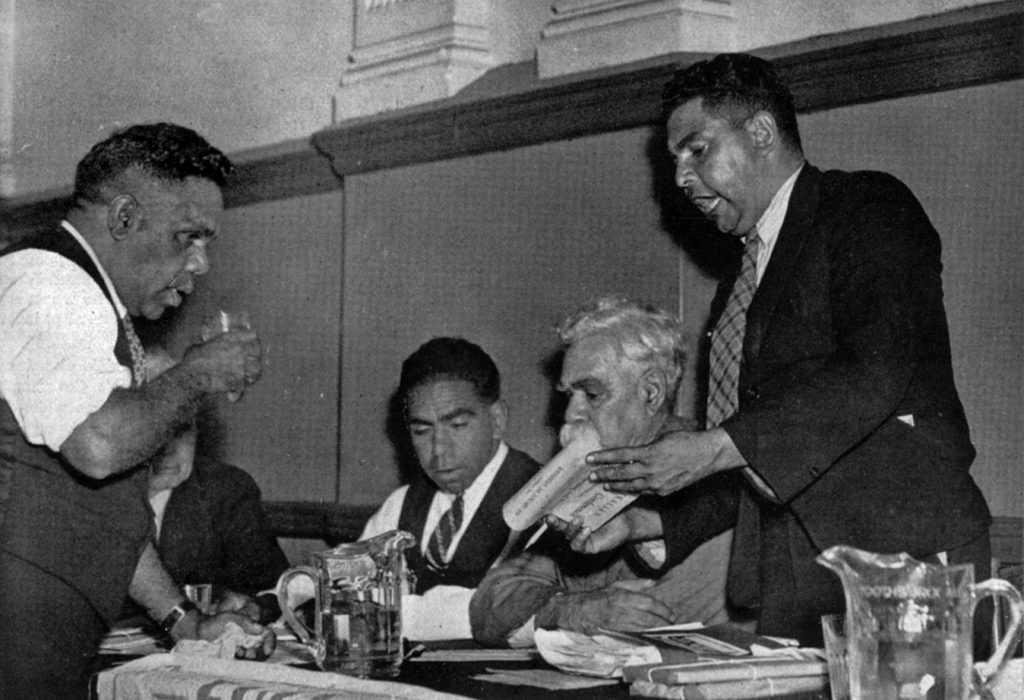
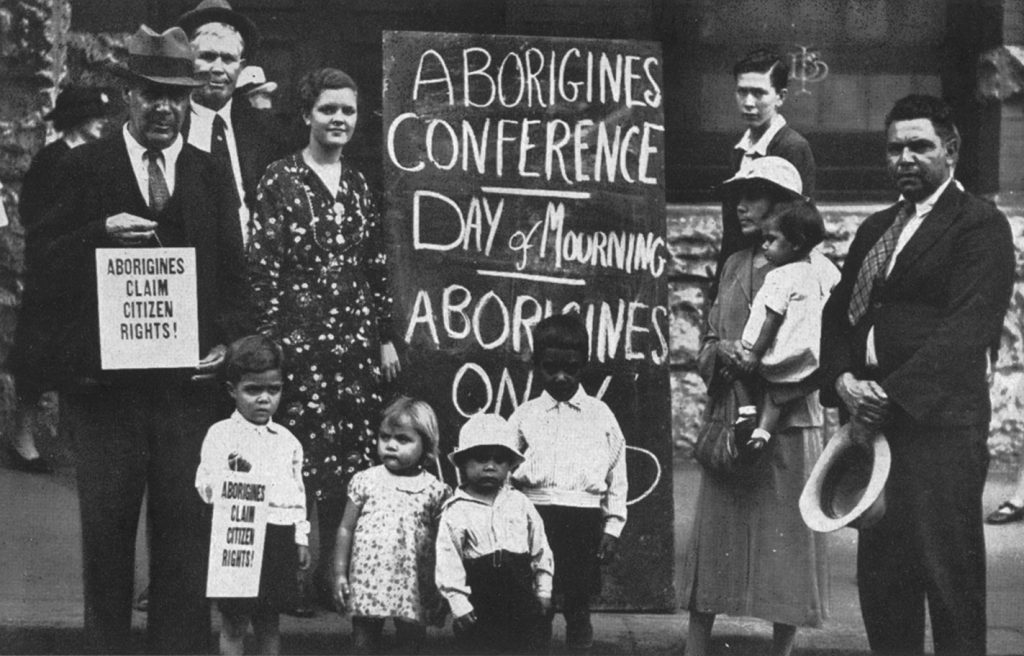
88 years after my great grandfather marched in the streets it is a powerful reminder that the call not to celebrate Jan 26 is not new. It is one of the longest-running civil rights demands in this country, predating the modern concept of ‘Australia Day’, which only became an official national holiday on this date in 1994, and the culture wars that now consume our politics.
That day in 1938 was not the only time Uncle William Cooper and our community stood up when others did not. In that same year, Cooper led a delegation to the German Embassy to protest the violence against Jewish people in Nazi Germany following Kristallnacht. It was the first protest of its kind in the world.
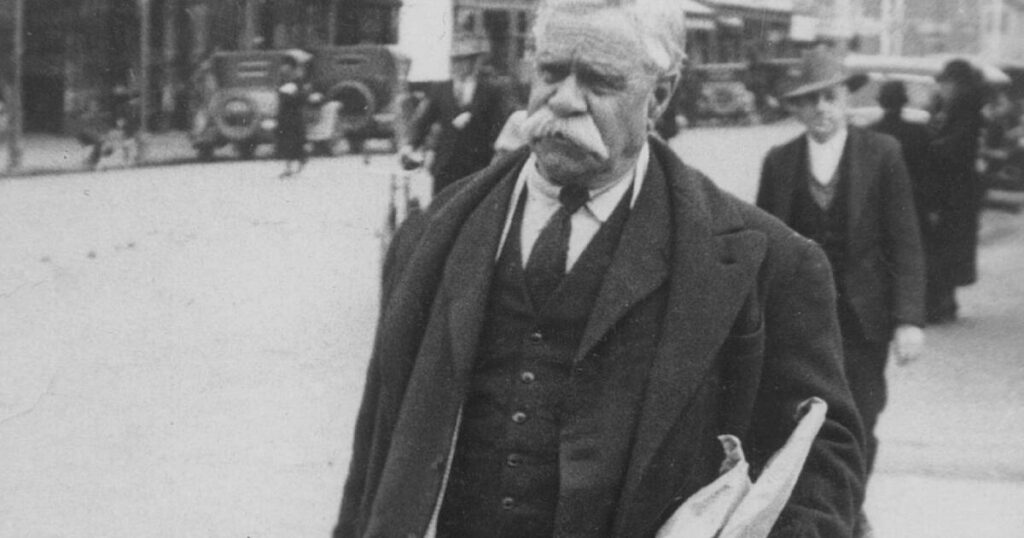
It should come as no surprise that different groups of people around the world stand up for each other in the face of grave atrocities; it’s the same today.
We carry that legacy forward, always. Nearly 50 years after the 1938 Day of Mourning, the 1988 bicentenary celebrations happened. We didn’t celebrate in ’88, and 40,000 people marched through the streets of Sydney on Jan 26 to once more draw attention to the mistreatment of Aboriginal people.
These same words, themes and issues remain central to the debate we continue to have in Australia today.
To continue celebrating “Australia Day” on Jan 26 is offensive because it asks First Peoples to participate in their own erasure. No amount of flag-waving, fireworks and calls for unity can reconcile that contradiction.
Public Holidays are statements about what a nation chooses to honor. By clinging to Jan 26 for its national holiday, Australia is sending a clear message about whose history and pain is negotiable.
It is a day of sorrow and despair. For us, Jan 26, 1788, is the day our country was invaded, our people killed and our land stolen. Under no circumstances would we ever celebrate that day.
If we truly want a day that represents all Australians, then it cannot be Jan 26.
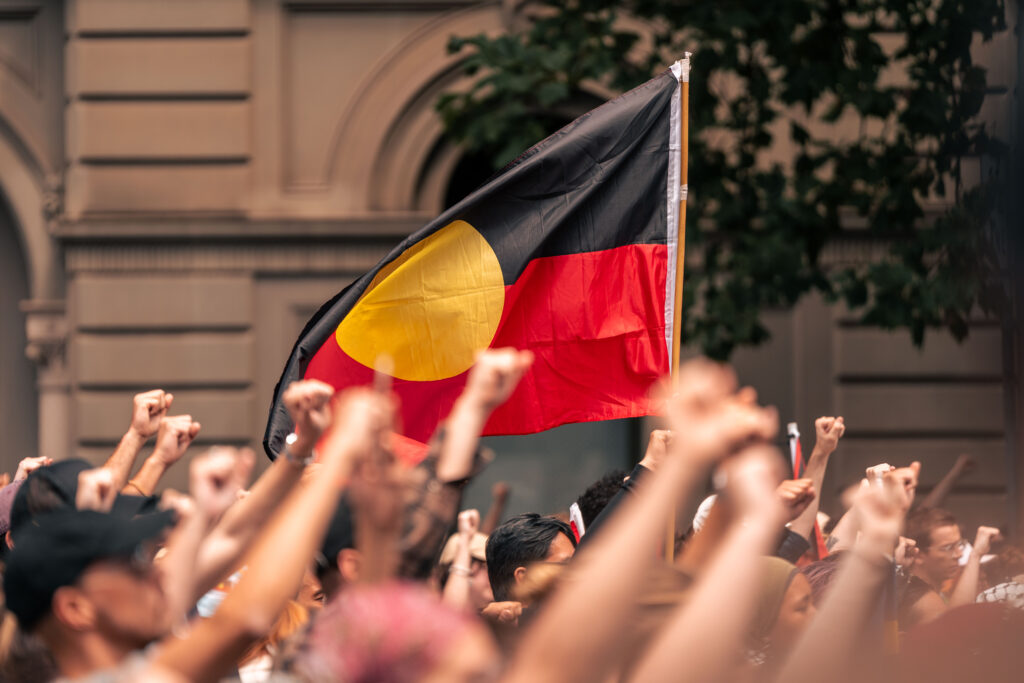
In fact, there is strong support across the country for our call to change the date of Australia Day to one that can be celebrated by all Australians. Every year we see hundreds of thousands of people take to the streets, to express their solidarity and understanding that this date is not one to celebrate. Increasingly, we see workplaces be flexible with what day you want to take as a holiday during this period.
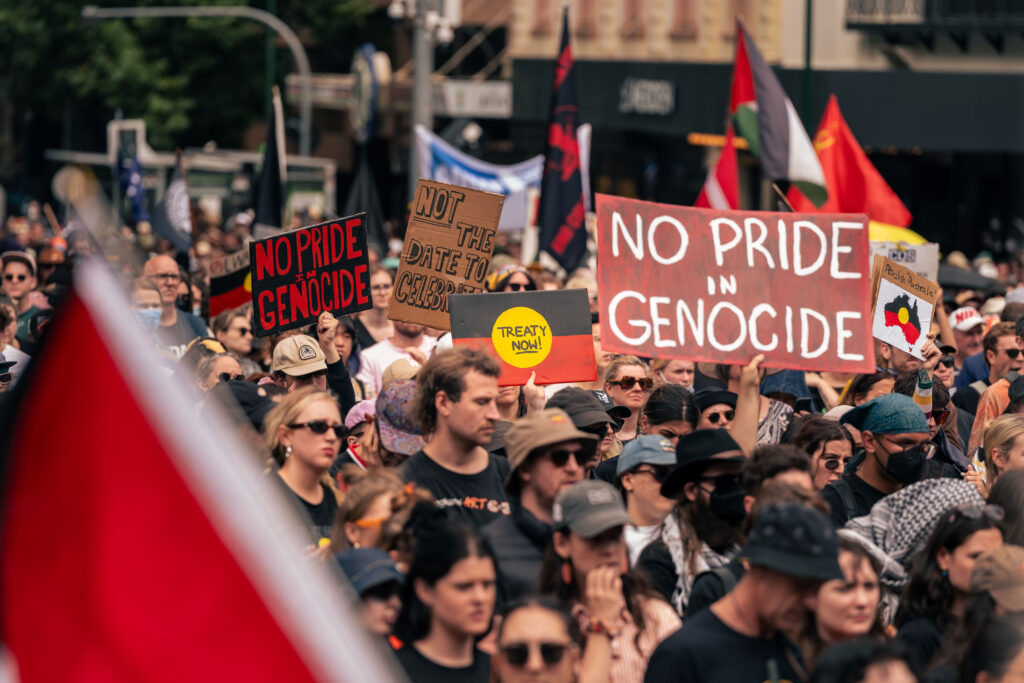
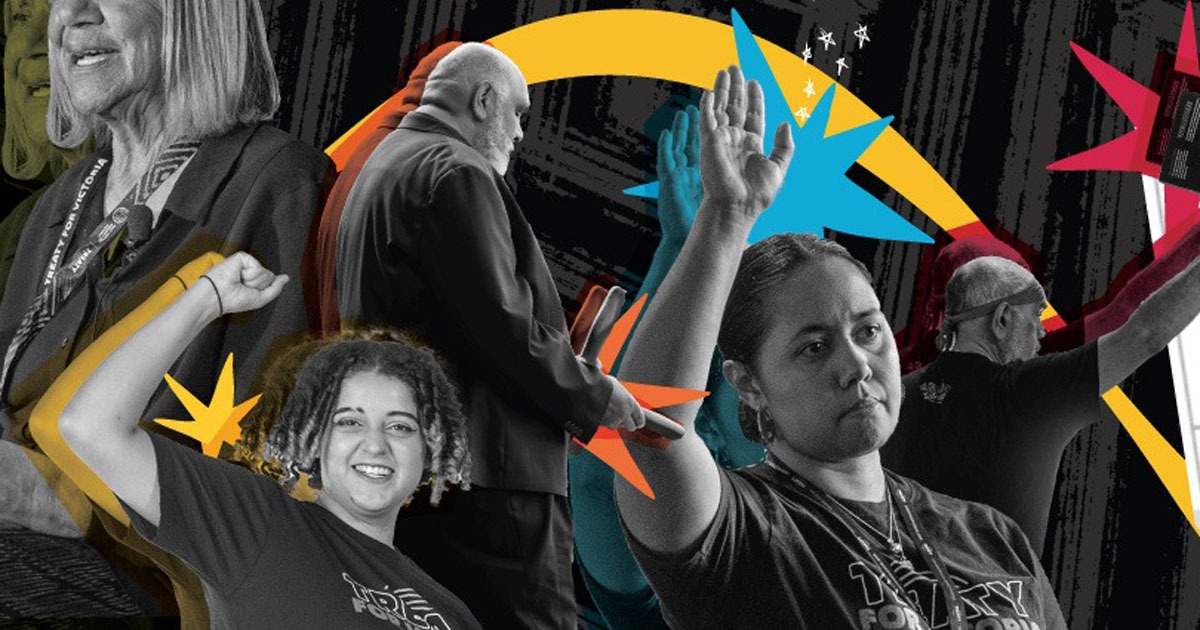
One of the primary calls during the 1988 bicentenary protest was for a Treaty between First Peoples and settlers. While it may have been long overdue, I am incredibly humbled to say that in 2025, Australia did get its first Treaty, in Victoria.
Treaty is about creating new relationships and resetting the terms of engagement between First Peoples and governments. It is about facing up to our shared history and moving forward, together, with respect.
In this Treaty era, we must have an honest conversation about what it means and feels like to celebrate a national holiday on Jan 26.
For nearly a century our people have consistently, year in year out, asserted our opposition to celebrating a day that marks the attempted annihilation of our people. Every culture and community on Earth would feel the same way.
In consultation with the Australian community, the Federal Government must choose another date for our National Day of Celebrations — a date that is inclusive of all. Better yet, a Day of Mourning on Jan 26 should be observed marking the tragic beginning of this nation’s story.
The responsibility now sits with governments and the broader Australian public to listen and act.
It’s time to approach our national day in a very different way. The question is no longer why the date should change, it is whether Australia has the courage to finally grow up, make this change and begin the next chapter in our nation’s story.
This piece was published here on National Indigenous Times on 26 January, 2026.